DAYLIGHT
It is the light
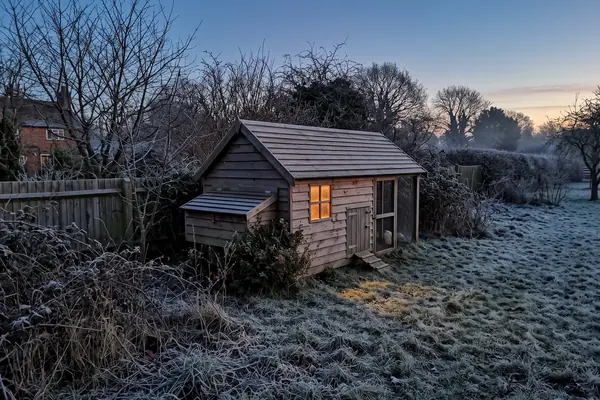
The University of Arizona says it is a common misconception that cold stops laying. Shorter days are responsible, sensed through the pineal gland in the brain.
Check the causes doodlelayers
KEEPING LAYING HENS
Fewer eggs in winter is normal.
14–16 h of light for steady laying
14–16hours Daily light for peak laying
University extension guidance says it is shorter days, not cold, that slows a laying hen. Moulting, broodiness and age play a part too. And in England and Wales even two pet hens must be registered.
THE SHORT ANSWER
Most pauses in laying have an ordinary cause.
The guidance below comes from university extension services and GOV.UK.
DAYLIGHT
The University of Arizona says it is a common misconception that cold stops laying. Shorter days are responsible, sensed through the pineal gland in the brain.
Check the causesBROODY
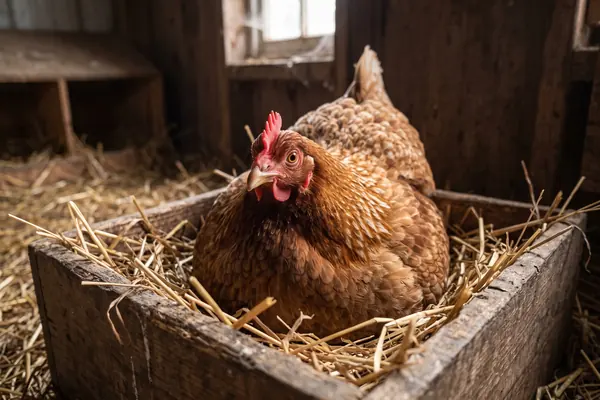
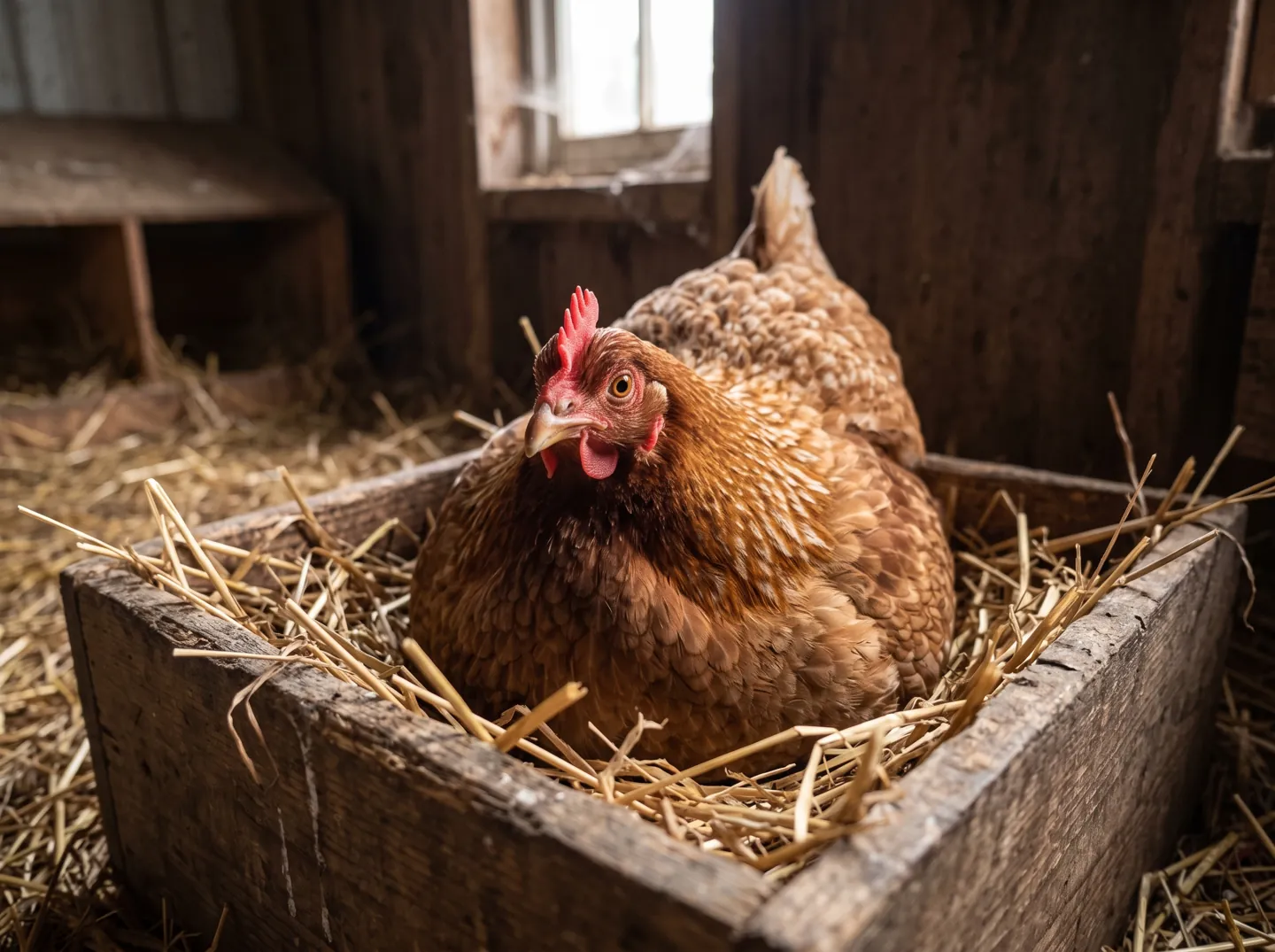
A broody hen stops laying and sits in the nest nearly all day. Left alone it may last 3 to 6 weeks.
Light and lampsTHE LAW
In England and Wales you must register within one month of keeping poultry, including birds kept as pets, however few.
How to registerWHY HAS SHE STOPPED?
Pick what you are seeing. The bar shows how long that pause usually lasts, from a short break to a long one.
Based on University of Arizona Cooperative Extension handouts az2186 and az2185 (January 2026). General information, not veterinary advice: a sick bird needs a vet.
REGISTERING YOUR HENS
GOV.UK says registering means the Animal and Plant Health Agency (APHA) can contact you with updates if there is a disease outbreak such as bird flu in your area. This applies in England and Wales; Scotland has its own guidance.
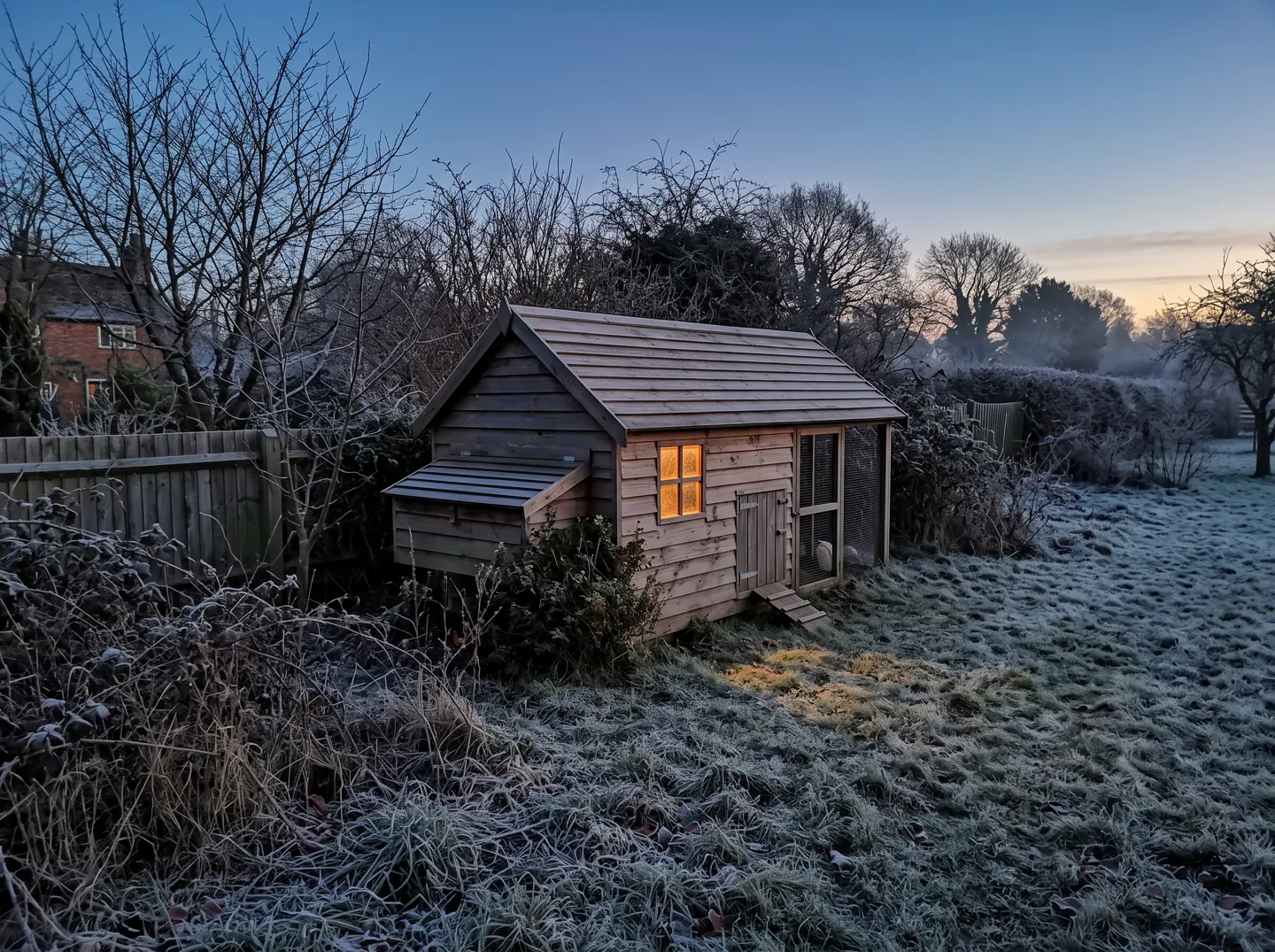
You must register within one month of keeping poultry at any premises, including birds kept as pets. Not registering is breaking the law.
Without a County Parish Holding (CPH) number you can register online in about 10 minutes, with your contact details, where the birds live and what you keep.
You must confirm your details and your birds' details to APHA every 12 months.
Tell APHA within 30 days if you stop keeping birds, change species or purpose, or start keeping 50 or more.
TWO NUMBERS WORTH KNOWING
One figure on what a laying hen needs,
one on how most UK eggs are produced.
14–16hours
Daily light for peak laying
Extension guidance says hens should get 14 to 16 hours of light a day for peak production, and that more than 16 hours adds no extra eggs.
LIGHT · UNIV. OF ARIZONA
76%
Share of packed eggs that were free range, Q2 2026
Defra's quarterly statistics say free range eggs made up 76% of UK packing station throughput in Q2 2026, and enriched colony eggs 14%.
UK EGGS · DEFRA
Defra counted 272 million dozen eggs produced for human consumption in the UK in Q2 2026, 3.4% more than a year earlier.
LIGHT AND LAMPS
Some keepers add light on a timer to keep the day at 14 hours or more. The Arizona guidance prefers adding it before sunrise so hens can roost with the natural sunset, and warns never to leave lights on all the time: more than 16 hours does not add eggs.
It also says heat lamps carry a large fire risk and should not be used as the light source. Pullets from 8 to 20 weeks old should be kept on natural, shortening days so they do not start laying too early.
Questions
University of Arizona extension guidance calls that a common misconception. It is the shorter daylight of autumn and winter that slows laying.
In England and Wales, yes. GOV.UK says you must register within one month of keeping poultry at any premises, including birds you keep as pets.
Timing varies from bird to bird, so the guidance says to expect the flock's moult to continue for several months. Hens should resume laying once it is complete.
Most pullets begin laying between 18 and 22 weeks of age, depending on breed.
The Arizona extension guidance suggests at least one nest box per four hens, to prevent fighting over nesting space and broken eggs.
Updated
ABOUT THIS NAME
doodlelayers.com is part of the DoodleSale portfolio. It isn't in an auction right now, but you can ask about leasing it.